
11+ maths: why reasoning matters as much as practice papers
Practice papers build speed, but the 11+ rewards children who can think their way through problems they have never seen before. How to build that at home.
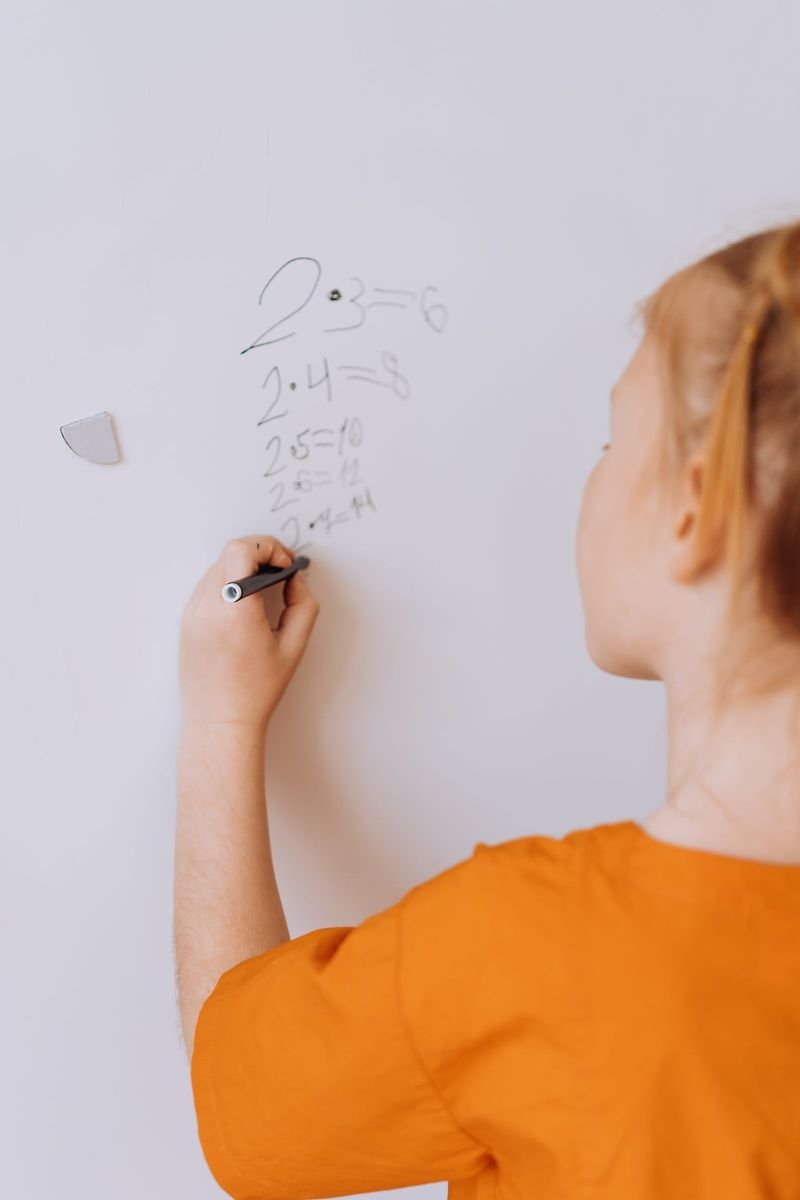
For many families, 11+ preparation means practice papers – lots of them. Papers have a place: they build speed, familiarity with the format and confidence under time pressure. What they rarely do on their own is teach a child how to think through a problem they have never seen before.
What 11+ maths tends to ask for
Alongside quick, accurate calculation, 11+ maths questions are often written in words, involve more than one step and are deliberately unfamiliar. The child has to decide what the question is asking, choose an approach and check that the answer makes sense. A child who has only practised one type of question can find that unsettling, however good their arithmetic.
When more papers stop helping
If your child scores well on calculation but loses marks on longer questions, another stack of papers usually brings small gains. The gap is not knowledge – it is the habit of reasoning, and that grows best through conversation rather than repetition.
Five ways to build reasoning at home
- Ask "how do you know?" – after right answers as well as wrong ones.
- Estimate first. Before working anything out, ask what a sensible answer would be.
- Talk the question through before any calculating: what do we know, and what are we trying to find?
- Ask what is missing. Everyday problems rarely come with every number given – planning a trip or a party is full of them.
- Let your child explain it to you. Explaining a method is the quickest way to find the gaps in it.
Start early
Reasoning takes time to grow, so Year 4 and Year 5 are a good moment to start – long before the exam itself. It helps with every kind of maths, not only the 11+.
Where More Mathematics fits
More Mathematics is not 11+ preparation. Our profile shows how your child thinks mathematically across every topic in their school year – where they are confident and what to work on next – so that whatever preparation you choose starts in the right place.
Start with seven questions
The free taster takes about ten minutes, needs no account and ends with one insight into how your child approaches maths.
Try the free taster